Great tools are meant to be refined and occasionally replaced. 2020 is over, so it’s time to review the hardware and software additions I made this year and how they’ve improved my workflow and quality of life.
AirPods 2
Purchased in late May for 997 CNY. My 1st gen AirPods had reached the end of their life—after two years, the battery barely lasted 30 minutes on a single charge. The 2nd gen was a necessary and welcome relay.

Key Uses:
- Remote meetings and calls.
- Listening to music and YouTube during commutes.
- Hands-free calls via Siri—a genuinely smooth experience.
ASUS RT-AC1900P Router
Purchased in early September for 469 CNY. Compared to my previous Xiaomi router, this is a much more professional device. Signal stability, throughput, and extensibility are all significantly better.

Key Features:
- High-performance routing for a stable home network.
- AiMesh support for expanded signal coverage in larger spaces.
- Support for custom firmware (Merlin, etc.).
XFAN External Microphone
Purchased in November for 153 CNY. The build quality and sound capture are excellent for the price.
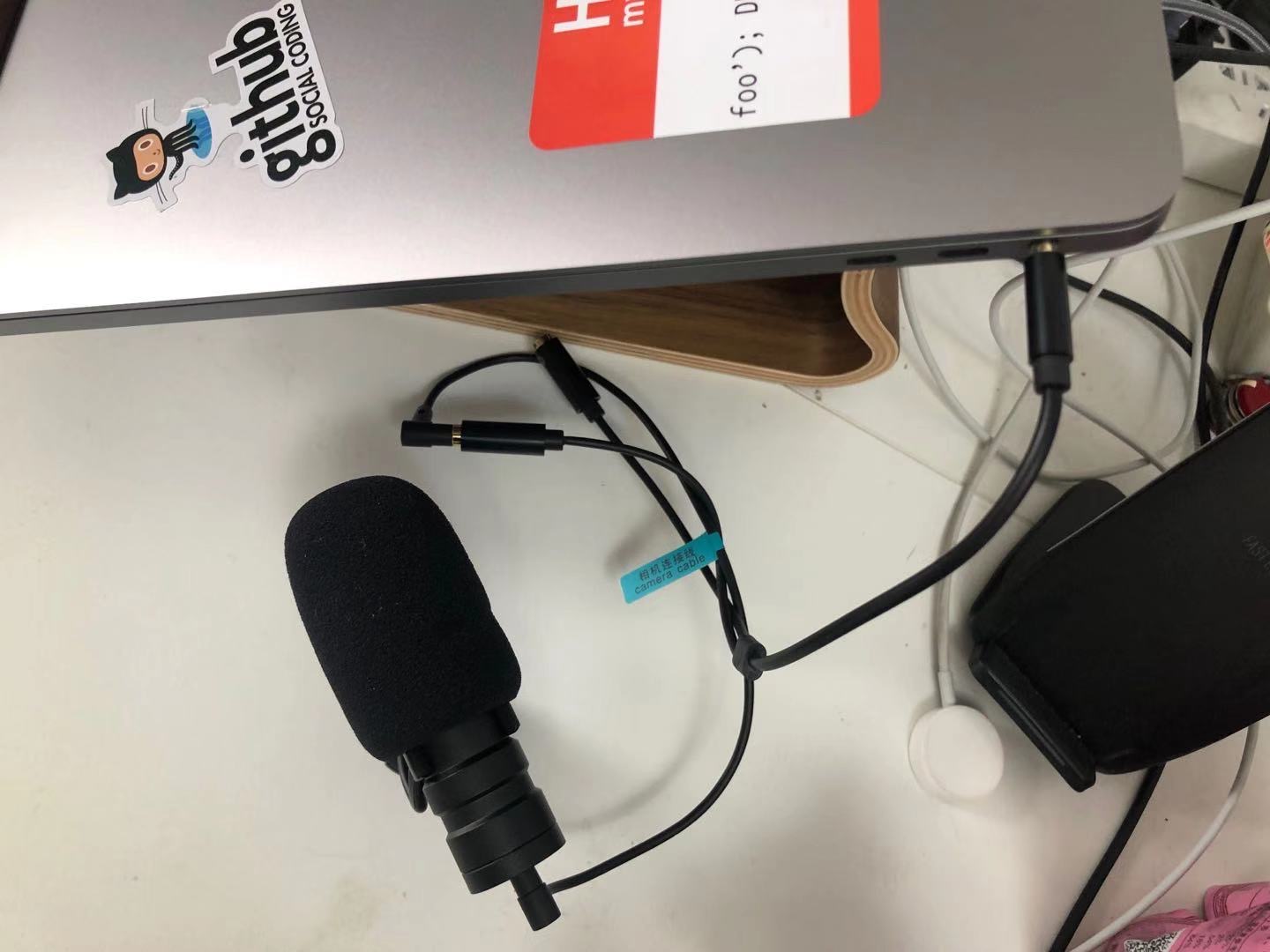
Main Use Case:
Minor Drawback: Since this is technically a camera-mount microphone, I had to use some Blu-Tack to secure it to my desk—a simple and flexible solution.
Magic Keyboard (1st Generation)
Picked up second-hand from Xianyu for 148 CNY. It serves as a quieter backup to my Filco 87 mechanical keyboard.

Pros:
- The layout is identical to the built-in MacBook keyboard, making for a seamless transition.
- Top-tier Apple build quality.
- Significantly quieter than a mechanical keyboard, which is essential when others are sleeping nearby.
- Personally, I prefer the AA battery design of the 1st gen over the rechargeable 2nd gen—swapping batteries is faster than waiting for a charge.
Nayo Almighty Backpack
Purchased in August (large size) for $48.99 USD (~317 CNY).
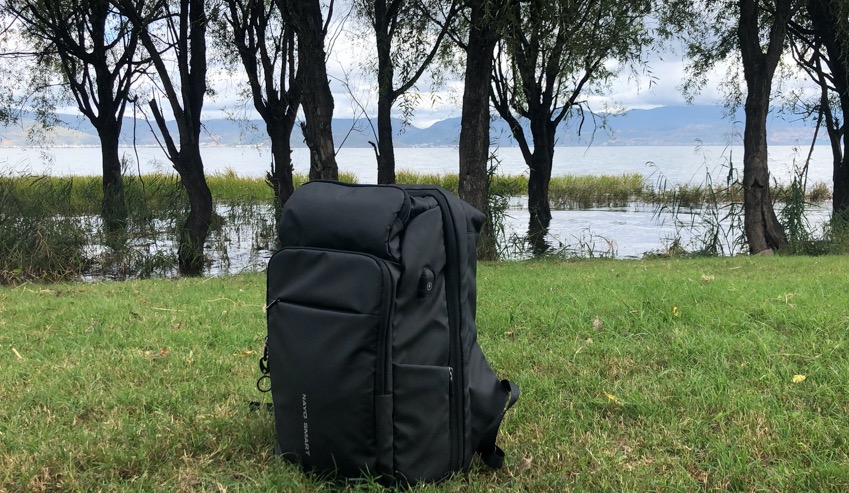
Pros:
- Massive internal capacity.
- Smart storage: strap pockets for keys, an insulated zip pouch, a sunglasses hook, and a structured design that stands upright even when empty.
- Very reasonable price compared to other boutique tech bags.
Cons:
- The overall craftsmanship is decent but not exceptional; I hope to see improved materials in future iterations.
Costa Coffee Mug
A gift from my department’s annual meeting (market price around 138 CNY).
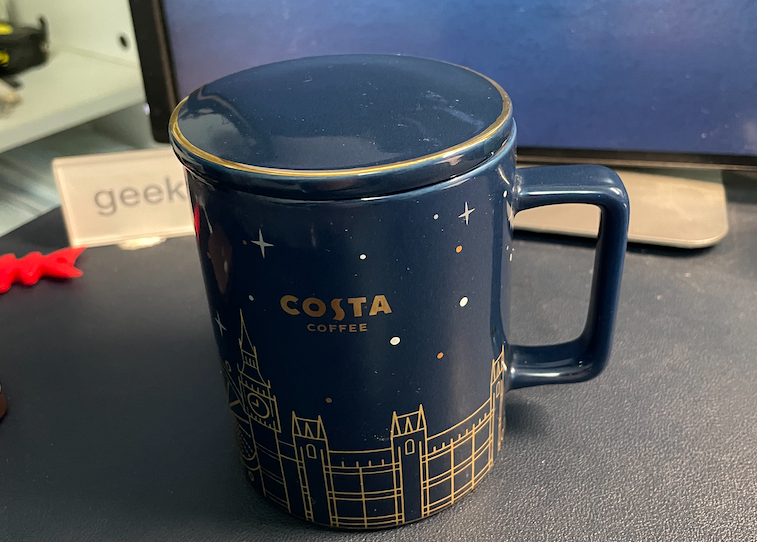
Pros:
- Great aesthetic.
- Perfect size for daily tea or coffee at my desk.
Cons:
- Since it’s ceramic, it has zero heat insulation.
- Not microwave-safe.
Despite the drawbacks, this has become my primary hydration vessel at home.
MarginNote 3
Purchased in December. The Mac version was 251 CNY and the iOS version 88 CNY. I bought this to fill a gap in my digital reading workflow.
My current system: O’Reilly for technical English books, Kindle for general Chinese reading, and MarginNote for deep study of PDF resources. MarginNote is uniquely designed for synthesizing complex information.
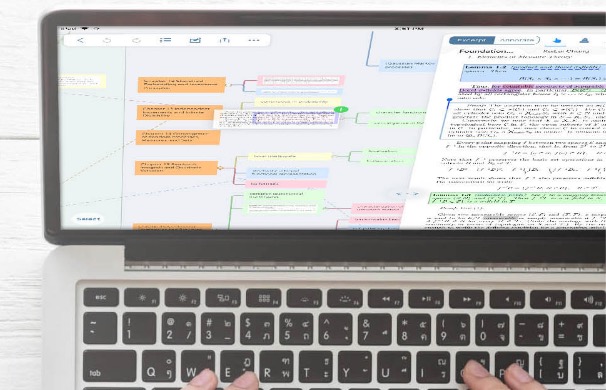
Pros:
- Integrated mind-mapping and outlining.
- Excellent annotation and excerpt experience.
Cons:
- The app can still feel a bit unpolished. For example, PDF rendering on Mac is noticeably blurrier than in PDF Expert.
- As an indie app, it lacks the stability of big-tech offerings, but I hope the developers continue their active development (similar to Surge).
YouTube Music
Became a subscriber in December. YouTube Music is included with a YouTube Premium membership. I recommend the India region—at 129 INR (~11.6 CNY) per month, it’s incredible value.
I’ve tried QQ Music, NetEase, Apple Music, and Kugou, but I’ve settled on YouTube Music. Why?
- I’m a heavy YouTube user, so the ecosystem synergy is perfect.
- The UI is clean, ad-free, and focuses on music rather than distracting social comments.
- The library is surprisingly comprehensive, even for Chinese songs.
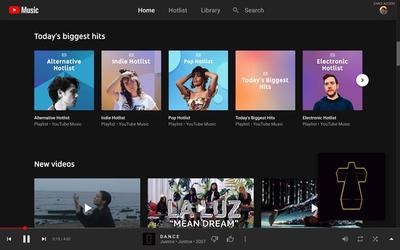
Pros:
- Massive global library.
- Easy switching between audio and official music videos.
Cons:
- Cannot be directly summoned via Siri, meaning my HomePod has become a simple external speaker rather than a smart one.
- No official Mac desktop app (requires browser or third-party wrappers).
Final Thoughts
- Good tools solve real problems and are always worth the investment.
- However, more tools can lead to more clutter. Choose what fits your hand and your workflow naturally.
- 2020 was a year of global upheaval. Whether we spent it productively or simply drifted through it is a question only we can answer. Here’s to even more progress in 2021.